
About This Blog
This blog brings together reflections shaped over more than 30 years working across the military, policing, government, mining, heavy industry and consulting. The ideas shared here are grounded in practical experience and, where appropriate, supported by current legislation, research, industry guidance and relevant case law.
Although each article expresses my own views, they are rarely developed in isolation. Depending on the topic, I often seek input from trusted colleagues, subject matter experts and professional peers before publishing. Their willingness to challenge my thinking, test assumptions and offer different perspectives helps ensure these articles remain balanced, practical and evidence-informed.
The views expressed are mine alone and should not be interpreted as representing the views of any past, current or future employer, client or organisation with which I may be associated.
I don't claim to have all the answers, nor are these articles intended to be definitive. My aim is to encourage professional discussion, challenge conventional thinking where appropriate, and share practical ideas that may help leaders strengthen safety, risk, assurance and organisational performance. If an article prompts someone to pause, think differently, start a worthwhile conversation or improve the way they approach their work, then it has achieved exactly what it was written to do.

What Safety Can Learn From Culture
Why understanding people is a leadership capability
He waka eke noa - We are all in the same canoe.
Safety systems only work when people understand them, trust them and use them. While organisations invest heavily in procedures, controls and training, we often pay less attention to the cultural lenses through which people interpret them.
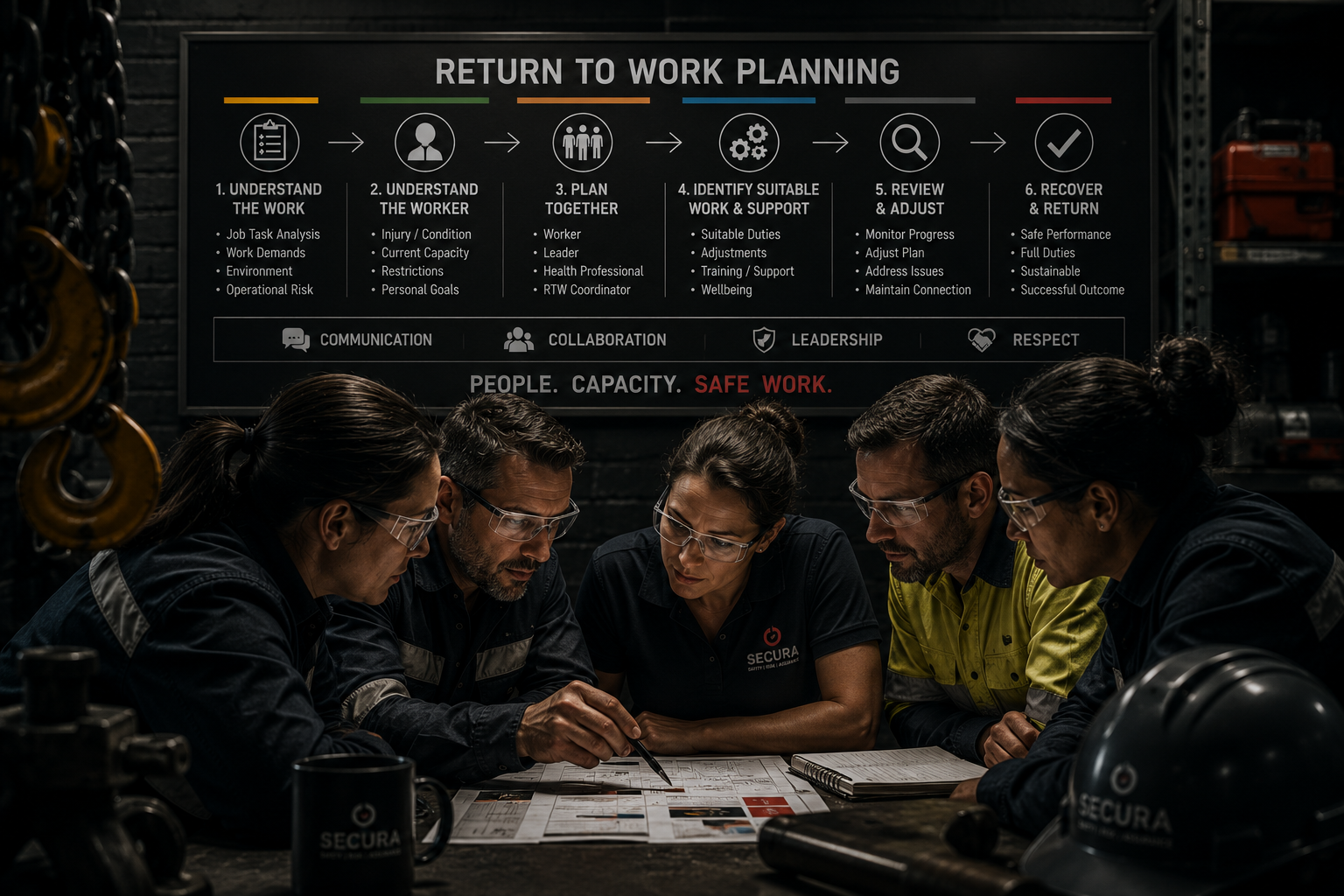
The Injury Isn't the Risk. Work Capacity Is.
Many organisations spend considerable effort determining whether an injury is work-related. Far fewer spend the same effort understanding the worker's capacity to perform the job safely.

The Value of Curiosity
“Trust those who seek the truth and doubt those who think they’ve found it.”
I recently came across this quote by the French writer André Gide. It caught my attention and caused me to pause and reflect on what it might mean within the context of safety, risk and assurance.

Making Space to Think
In a world of constant notifications, AI summaries and endless productivity hacks, have we forgotten the value of simply thinking? Some of our best ideas don't arrive when we're busy. They arrive when our minds finally have room to wander.
The Irony of AI
There's a certain irony in organisations paying to learn how to use AI, while AI itself has already been trained on much of the material now being taught as AI expertise.

Assurance Isn't About Compliance
Good assurance has never been about ticking boxes. At its best, it's about understanding whether the things we rely upon are actually working when it matters most.

More Than One Mistake
If you're of a certain vintage, you'll probably remember the moment. If you're not, bear with me; it turns out there's a useful lesson in it. David Tua, one of New Zealand's most successful heavyweight boxers, appeared on a television game show and, under pressure, famously responded, "I'll have an 'O' for awesome."
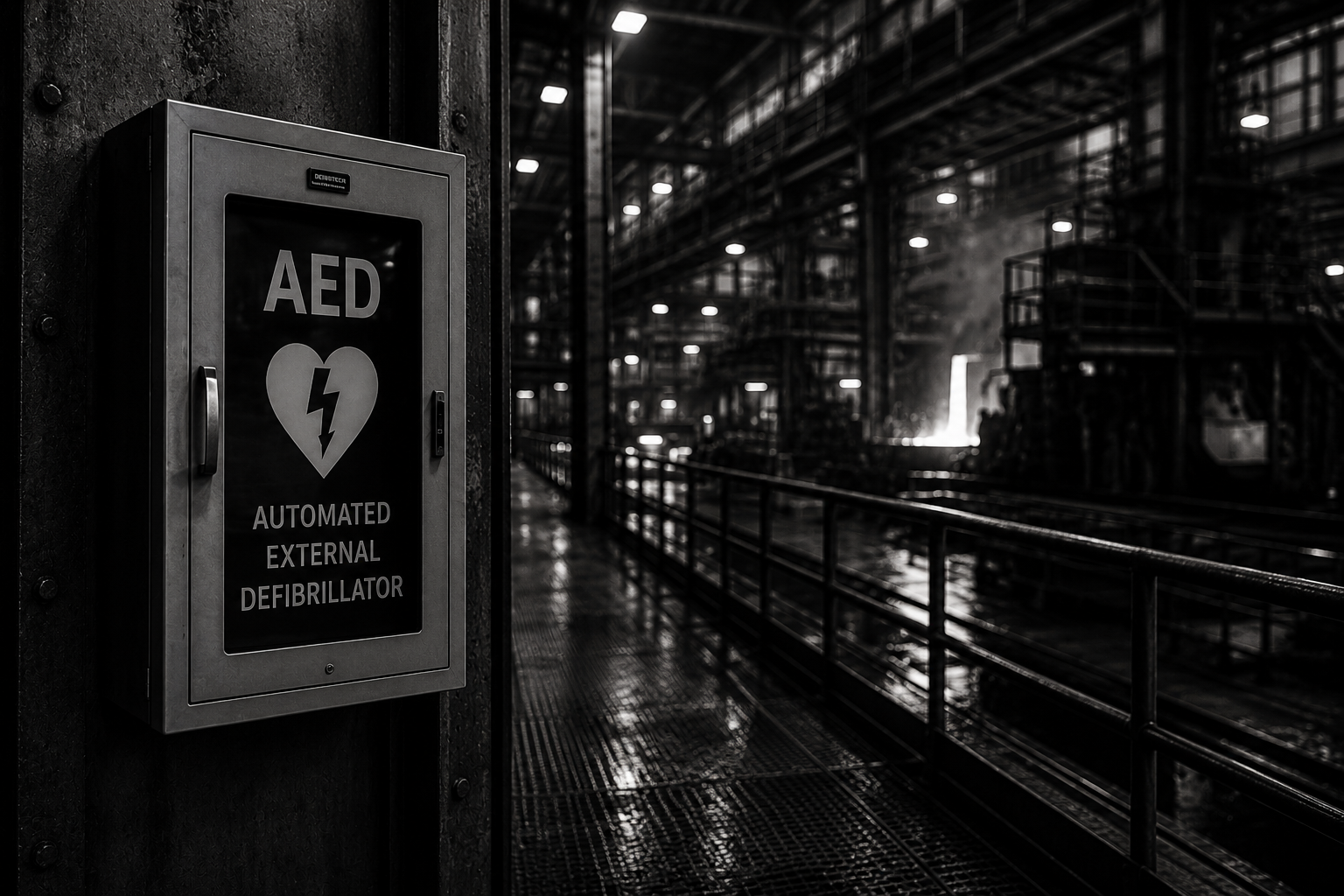
The First Five Minutes
Prevention will always be the cornerstone of effective risk management. However, when the unexpected occurs, an organisation's ability to recognise the event, mobilise assistance and respond effectively during the first five minutes often determines everything that follows.
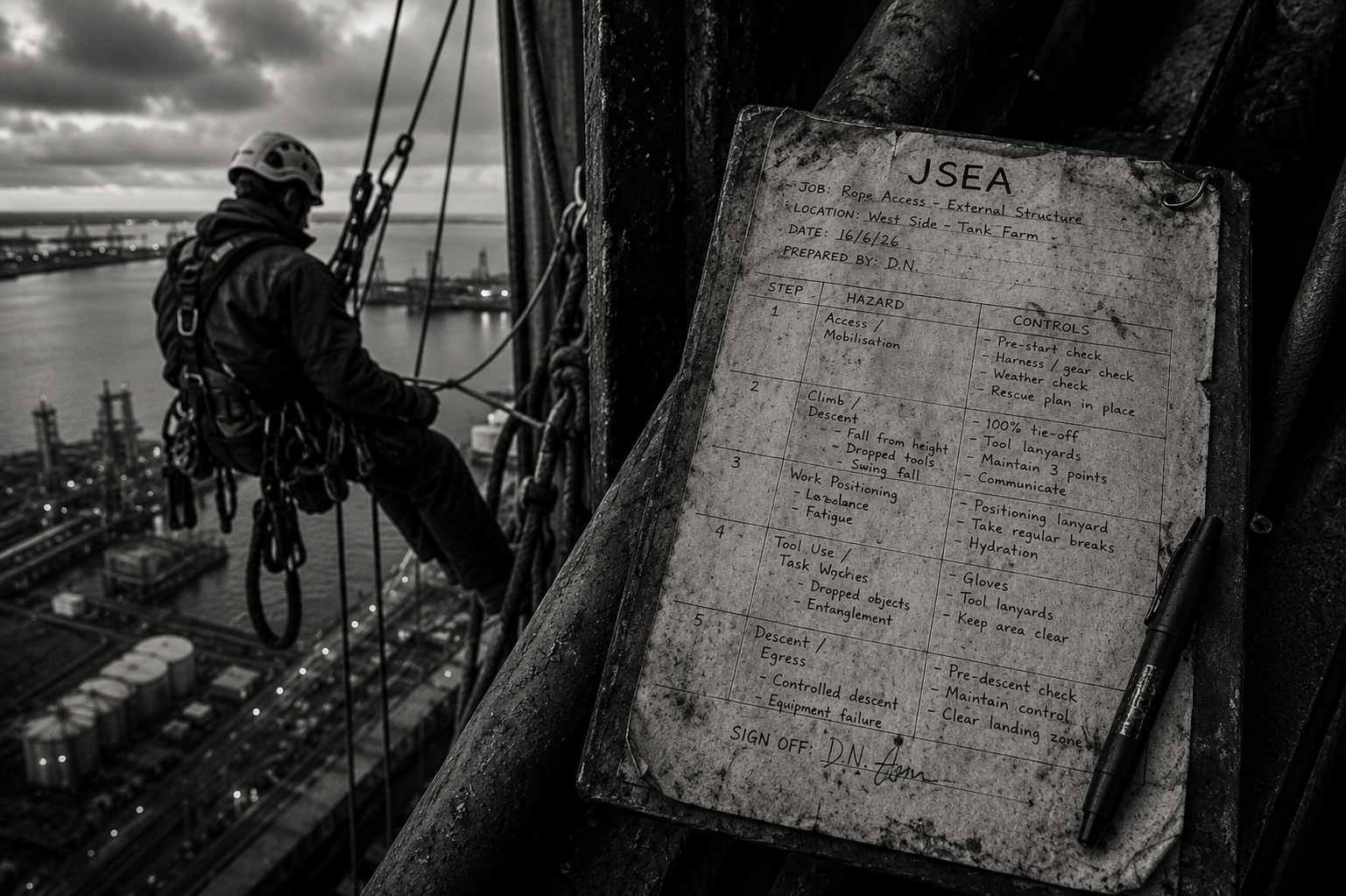
Before the First Tool Turns
Most people who have served in the military, emergency services or heavy industry have heard some version of the old "Five Ps". While the original saying has been repeated so often it risks becoming cliché, its underlying message remains remarkably relevant.
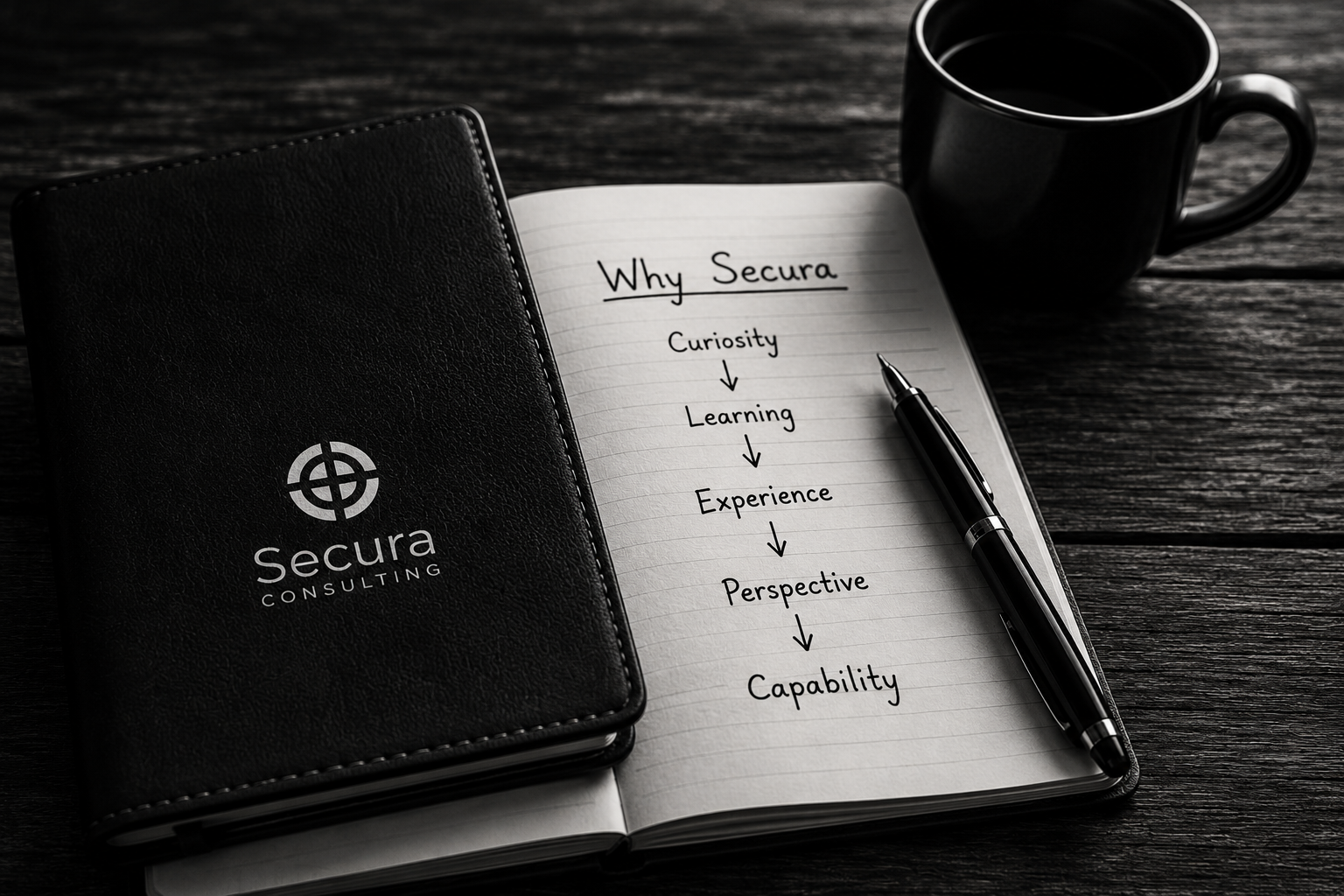
Why Secura
People occasionally ask me why I started Secura Consulting. The answer is probably different to what most people expect.
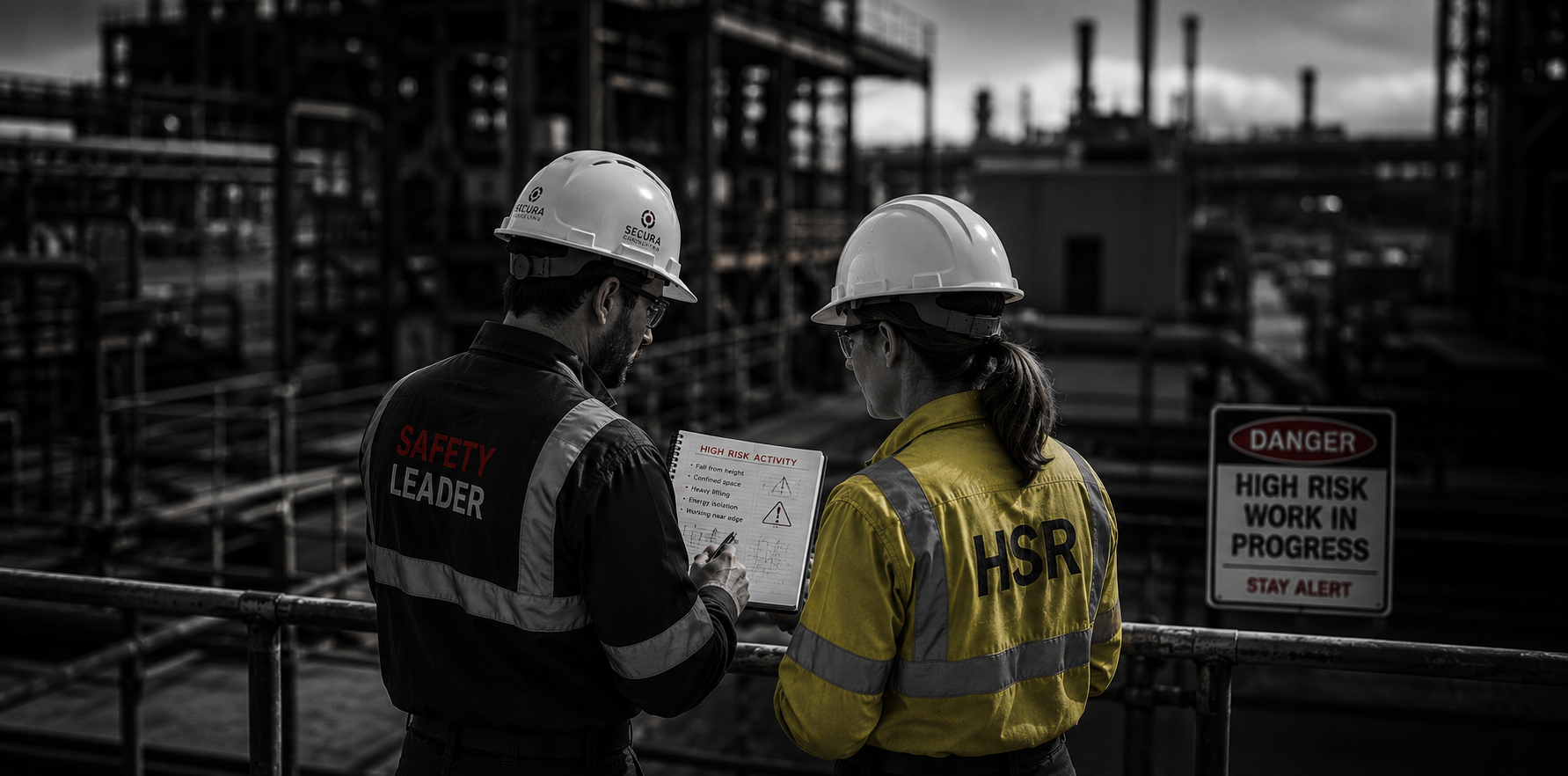
The Assurance Team You Already Have
Health and Safety Representatives are often viewed as a legislative requirement. They may also be one of the most underutilised sources of organisational assurance sitting within your business.